In the 2024/2025 league season, injury and suspension news is one of the few inputs that can still shift odds significantly in a short time, especially when it concerns star players or thin squads. For serious bettors, the edge is not just “knowing who is out,” but correctly valuing that absence and understanding whether the market has already reacted, overreacted, or missed part of the story.
Why Injuries and Suspensions Move Both Performance and Prices
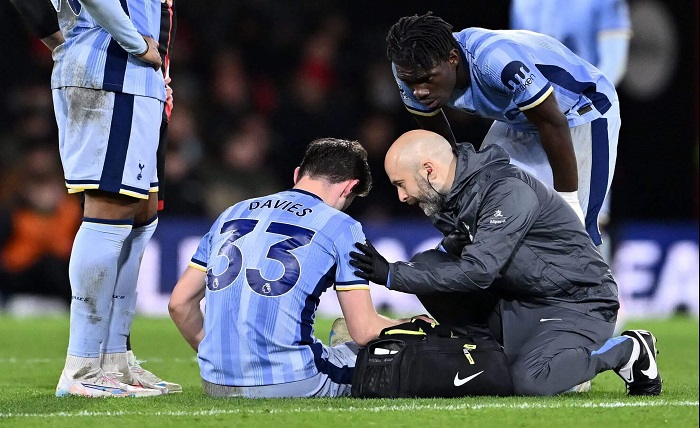
Missing players change how a team can attack, defend, and control transitions, so sportsbooks and bettors treat availability news as a direct input into win probabilities. Data-focused articles note that bookmakers routinely adjust prices as soon as key absences are confirmed, particularly when strikers, playmakers, or goalkeepers drop out, because they carry outsized influence on goals scored or prevented.
One breakdown of Premier League and UEFA matches highlighted how markets react more sharply to a missing leading forward than to a rotational defensive midfielder, stressing that player importance and squad depth determine how much the line moves. In practice, this means that the same “out” label can be worth half a goal to the spread for a small club, but almost nothing for a superclub with equivalent backups.
Separating Impact Players from Replaceable Names
For serious betting, treating all injuries as equal is a fast route to mispricing. Articles on injury data and odds emphasize three key modifiers: the role of the player, the quality of their backup, and how central they are to the tactical plan.
If a team loses its only creative 10 or an elite goalkeeper, it may have to change formation or style; losing one of three similar wingers might simply mean a like‑for‑like swap. Historical analysis of team performance with and without specific players—using xG, goals, or points per game—helps quantify this gap, letting you see whether the absence historically costs 0.1 or 0.4 expected points per match. For bettors, the cause–effect chain matters: the more a player’s removal forces systemic changes, the more you should expect both performance and odds to shift.
How Suspensions Differ from Injuries in Predictability
Injuries often arrive unpredictably in training or matches, but suspensions, especially from yellow-card accumulation, can be forecast well in advance. Betting-focused pieces point out that this predictability gives bookmakers more time to incorporate suspensions into opening lines, reducing the chance of surprise late moves.
However, the same predictability offers serious bettors a planning advantage: if you track card counts and know a key defender or midfielder is one booking away from a ban, you can anticipate future absences and consider how upcoming fixtures might be affected. When suspensions are confirmed close to kick-off—red cards in prior games, or disciplinary decisions announced late—markets can still reprice sharply, particularly if the player anchors a fragile defensive structure.
Using UFABET Odds and Line Movement as a Second Opinion
For someone placing bets through a modern online betting site, odds movement itself is an information stream about how injury news is being valued. Guides on interpreting market reactions suggest that early line shifts on ufa168 after confirmed news can reveal whether bookmakers expected an absence, and whether the wider market is overcorrecting or staying muted.
Scenarios include line freezes (no movement despite news, implying it was already priced in), sharp drops followed by partial rebounds (initial overreaction, then correction), and correlated moves in totals when attacking or defensive stars are ruled out. Reading these patterns helps you decide whether to follow the move, fade it, or look for alternative angles—like unders when a main scorer is out and the total has not yet adjusted fully.
A Practical Table: Types of Player Absences and How Markets React
Because not every absence has the same betting significance, it helps to think in a structured way about common scenarios. Analytical pieces on injury impact and line movement provide useful generalizations about how markets tend to reprice.
| Type of absence | Typical market reaction | Betting implication for a serious player |
| Star attacker ruled out pre‑match | Win odds drift, totals/BTTS may shade lower | Reassess overs; look for value on under or opponent if move is small |
| Key centre-back or goalkeeper out | Spread shifts, totals may move slightly higher | Consider higher‑scoring outcomes; check if replacement is poor |
| Multiple injuries in same line (defence/midfield) | Larger spread change, volatility increase | Treat favourites more cautiously; underdogs gain upset potential |
| Suspension known well in advance | Often baked into opening lines | Edge comes from better role evaluation, not pure timing |
This framework helps you avoid overreacting to medium-impact absences while correctly treating clusters of injuries or key defensive losses as meaningful shifts in the match’s underlying risk profile.
Turning News into a Repeatable Pre‑Match Checklist
To move from reacting emotionally to reading news structurally, serious bettors often adopt a fixed sequence whenever an injury or ban is reported. Strategy articles recommend combining player-level impact, team context, and timing before adjusting any model or staking plan.
- Identify the player’s tactical role and measure their importance through minutes played, usage in big matches, and direct contribution to goals, chance creation, or defensive actions.
- Evaluate replacement quality and likely tactical adjustments, looking at past line-ups and results when the player was absent.
- Check the timing of the news relative to market moves—early edges arise if you have reliable information before odds shift, while late news often means much of the value has already been priced away.
Interpreting this checklist forces you to quantify impact instead of just noting availability, making your reaction proportional to how much the team’s underlying strength truly changes.
When News-Based Edges Fail: Overreaction, Rumours, and Noise
Betting directly on news can be profitable but also dangerous when information is incomplete or markets overcorrect. Some guides on “injury news commandments” stress that rumoured knocks, uncertain returns, and vague “game‑time decision” labels can all cause speculative odds movement that reverses when line‑ups are announced.
Another common failure mode is overvaluing a single star’s absence in deep squads; in several cited Premier League cases, odds drifted markedly when a top forward was ruled out, only for equally strong replacements to start and team performance to remain close to baseline. Recognising that squads differ in how much a single injury matters—and that closing odds often incorporate more complete information than early lines—helps you avoid chasing every headline as if it automatically creates value.
Using casino online Context to Keep Injury-Based Betting Disciplined
Inside a broader casino online environment, information-driven strategies can feel safer than pure chance games, which may tempt bettors to stake aggressively when they think they “know something” about line-ups. Articles on injury reporting and integrity warn, however, that the growing importance of availability data has also raised the stakes around misinformation, late leaks, and emotional pressure on players and staff.
For a serious bettor, the disciplined approach is to treat injury and suspension angles as one component within a controlled staking framework, not as an excuse to abandon limits. Tracking results specifically for bets made primarily on player news over the 2024/2025 season helps you see whether your interpretation adds real edge, or whether you are simply arriving at the same conclusions as the market but after most of the price adjustment has already happened.
Summary
Reading injury and suspension news in the 2024/2025 league season as a serious bettor means going beyond “who is out” to ask “how much does this change the team’s true strength, and has the market already paid for it?” Research and industry commentary agree that key absences reshape tactics, squad usage, and odds, but that the scale of impact depends on player importance, depth, and timing.
By separating high-impact roles from replaceable ones, using market movement as a feedback signal, and running a consistent checklist before adjusting your position, you can treat availability news as a structured input rather than a source of impulsive bets. Within that framework, injuries and suspensions become a way to slightly sharpen your edge over the 2024/2025 campaign, not a guarantee of easy value whenever big names miss the team sheet.