Let’s be honest for a second: running a zoo is one of the strangest balancing acts in the business world. On one hand, you are the steward of endangered species, a hub for conservation, and an educational sanctuary. On the other hand, you are running a business that needs to keep the lights on, the enclosures secure, and the staff paid.
It’s a tug-of-war between Mission and Margin.
I’ve spoken with zoo directors who feel guilty about focusing on the “business” side of things, as if worrying about revenue somehow dilutes their passion for the animals. But here’s the hard truth I always share with them: You can’t save the rhinos if you can’t pay the electric bill.
Branding isn’t a dirty word in the world of conservation. In fact, in 2025, it’s your most powerful tool. Today, I want to dive deep into how modern zoos can evolve from simple local attractions into powerful brands that drive loyalty, revenue, and—most importantly—impact.
The “Why” is Your Brand
If you strip away the logos and the signage, what is your zoo actually about?
Decades ago, a zoo was just a place to see exotic animals. Today, that’s not enough. With 4K nature documentaries available on Netflix, people don’t need to visit you to see what a tiger looks like. They visit you to feel a connection.
Your brand is your story. It’s the difference between “We have three elephants” and “We are a sanctuary for retired circus elephants recovering from trauma.”
I remember visiting a small sanctuary in Oregon a few years back. They didn’t have the budget of the San Diego Zoo, but they had a story. Every sign, every guide, and every social media post focused on individual animal personalities. They didn’t brand the “Wolf Exhibit”; they branded “Luna the Wolf,” complete with her backstory, her likes, and her dislikes.
That is branding. It turns passive observation into active emotional investment. When you treat your zoo as a business, you realize that you aren’t selling tickets; you are selling entry into a narrative.
The Walking Billboard: Rethinking Your Merchandise
Now, let’s talk about the gift shop.
Too often, zoo gift shops are treated as afterthoughts—places to dump plastic toys and generic keychains. But from a business perspective, your retail strategy is one of your biggest missed opportunities for branding.
Think about the items your visitors take home. That product is the only thing that extends the visitor experience beyond your gates. If they buy a cheap trinket that breaks in a week, that’s the lasting impression of your brand.
This is where quality and creativity need to collide. I’m a huge proponent of high-quality apparel because it turns your most loyal visitors into brand ambassadors. But you have to go beyond the standard “Zoo Name” logo slapped on a stiff, boxy shirt.
Imagine a line of custom screen printed t shirts featuring artistic, vintage-style illustrations of your star animals. I’m talking about the kind of design that someone would want to wear to a coffee shop or a concert, not just while painting the house.
When you utilize high-quality screen printing, you get those rich, vibrant textures that feel premium. You can play with puff inks to give a 3D feel to a lizard’s scales, or use water-based inks for a vintage, soft-hand feel on a sloth graphic.
Why does this matter? Because when someone wears a cool, well-designed shirt, people ask them about it.
“Whoa, nice shirt. Is that a Red Panda?”
“Yeah! I got it at the City Zoo, they have this new conservation program for them.”
Suddenly, that custom screen printed t shirt isn’t just a piece of clothing; it’s a conversation starter. It’s organic marketing. If you source soft, organic cotton tees and pair them with eco-friendly inks, you’re also subtly reinforcing your conservation mission through the product itself. It feels authentic, not forced.
Experience Design: The “Instagrammable” Zoo
Branding also lives in the physical space. We live in the age of the “shareable moment.”
If your zoo business model relies solely on people walking past cages, you are leaving money and engagement on the table. You need to design spaces specifically for human interaction.
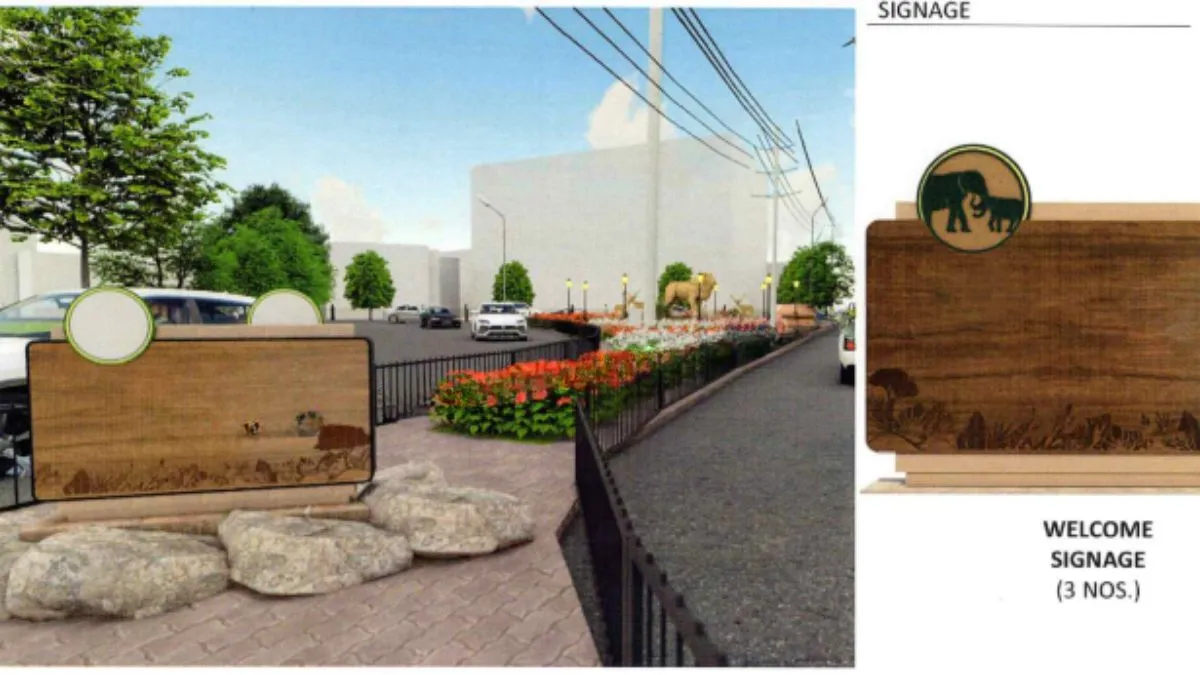
I’m not talking about disturbing the animals. I’m talking about creative signage, interactive murals, and photo ops.
One innovative idea I saw recently was a “Wingspan Wall.” It was a simple mural where visitors could stand against the outlines of different birds’ wingspans, from a hummingbird to an Andean Condor. It cost the zoo almost nothing to paint, but I watched family after family line up to take photos and post them online.
Every time they posted, they tagged the zoo. Free advertising.
From a business standpoint, ask yourself: Is my zoo shareable? If a visitor walks through your entire park and doesn’t feel the urge to take a photo of themselves (not just the animals), you have a branding problem.
The Membership Model vs. The One-Time Visit
The Holy Grail of zoo business is the Member.
A one-time visitor pays you once. A member pays you annually, buys food, brings friends, and buys those custom screen printed t shirts we talked about earlier.
But to sell memberships, you need to brand yourself as a “Community Hub,” not a “Tourist Attraction.”
How do you do that?
- Adult Nights: “Brew at the Zoo” events have exploded in popularity. It rebrands the zoo as a cool date spot, not just a place for field trips.
- Exclusive Content: Give members a look behind the curtain. A “Morning with the Keepers” blog or video series sent only to members makes them feel like insiders.
- Niche Clubs: Start a photography club that gets early access for morning light. Start a sketching club. Turn the zoo into a canvas for other people’s hobbies.
Consistency is King
Finally, let’s touch on the visual identity.
If your website looks like it was built in 1998, your signage uses Comic Sans, and your staff uniforms are mismatched, you are telling the customer: “We are disorganized.”
And if you are disorganized, the subconscious assumption is that you might be disorganized with animal care, too.
Your brand aesthetic builds trust. This goes back to the merchandise, too. If you put out a cohesive line of apparel—say, a “Retro Summer” collection of custom screen printed t shirts with 80s neon aesthetics matching your summer marketing campaign—it shows intentionality. It shows you are a modern, thoughtful business
The Takeaway
Running a zoo as a business doesn’t mean selling your soul. It means polishing the lens through which the world sees your work.
It’s about telling better stories. It’s about creating products—from the tickets to the tees—that hold value. It’s about realizing that every person who walks through your turnstile is a potential partner in your mission, provided you give them a brand they can fall in love with.
So, take a look at your zoo today. Look at your signs. Look at your website. Feel the fabric of the shirts in your gift shop. Does it feel like a place that is changing the world?
If not, it’s time to get creative.